
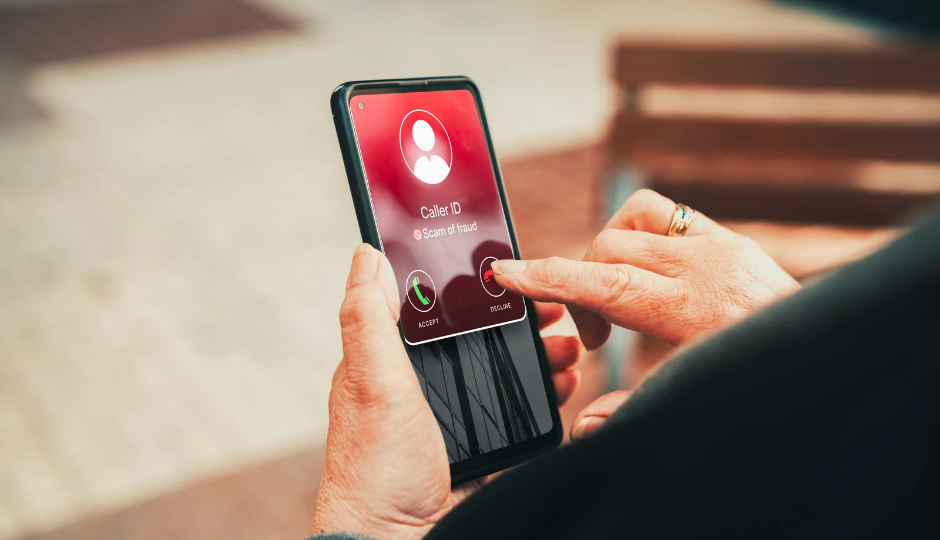
You can’t depend on technology to protect you from scam calls. You are the best defense.
By Jarren Ringle
“Hiya” is trusted by global businesses, carriers, and consumers to provide secure, engaging connections and stop unwanted calls. Hiya’s 2024 State of the Call report reveals that 28% of unknown calls were scams or fraud and that 16% of consumers fell victim to phone scams in 2023, costing scammed consumers nearly $2,300 on average.
Artificial Intelligence (AI) has made scam phone calls, emails, and text messages more convincing. Generative AI can make grammar and dialect flawless. In fact, AI can now even mimic your voice or your loved ones’ voices. That phone call from your grandchild asking for help may be a scammer.
You can’t depend on technology to protect you from scam calls. You are the best defense.
The Federal Communications Commission lists the following ways to stop unwanted robocalls and avoid phone scams:
I can make it simpler. It sounds drastic, but don’t answer your phone. If the number is unknown or questionable, let it go to voicemail, then decide whether to return the call. Your friends, loved ones, doctors, etc., will leave a message. Scammers very seldom do!
Be safe out there!

Jarren Ringle is a SourcePoint member and volunteer instructor. SourcePointers come to Jarren for help with their tablets, laptops, and the most popular of all devices, cell phones. He teaches various technology classes throughout the year, including one-on-one sessions and group classes. Jarren also volunteers at the Delaware County Office of Homeland Security and Emergency Management. With many years of project management experience in various technology fields, he enjoys helping others with technology.